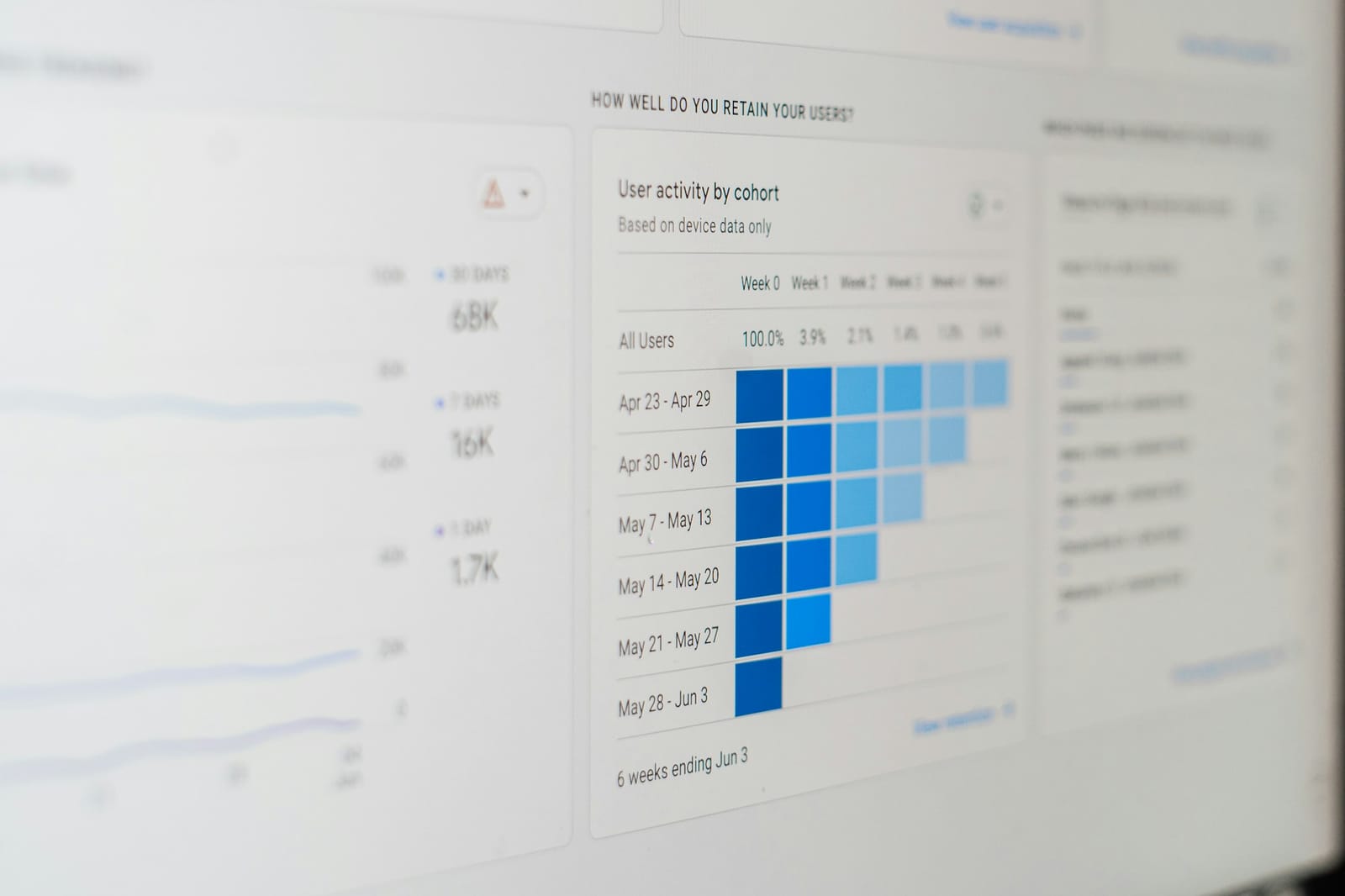
It's one of the first real decisions a business makes when it starts paying for visibility online, and it's usually made badly — by splitting a small budget across both platforms at once, learning nothing conclusive from either, and concluding that 'digital ads don't work for us.' They work. The mistake is rarely the platform. It's spreading too little money across too many places to learn anything.
Two fundamentally different jobs
Google Ads captures demand that already exists — someone typing exactly what they want into a search bar, actively looking for a solution right now. Meta Ads (Facebook and Instagram) creates demand — it puts your offer in front of people who weren't searching for anything, based on who they are and what they're likely to want. Neither is 'better.' They answer different questions, and most businesses need to know which question they're actually asking before spending a rupee.
Realistic minimum budgets in India
- Google Ads generally needs ₹10,000–₹15,000 per month to generate enough data and consistent leads in most categories. Competitive sectors — real estate, education, healthcare — often need ₹30,000 or more before results stabilise.
- Meta Ads can show meaningful results starting from roughly ₹5,000–₹10,000 per month, making it the more accessible starting point for businesses with tighter budgets.
- Below these thresholds on either platform, campaigns rarely gather enough data to optimise properly — the algorithm needs volume to learn, and a very small budget starves it of that.
Which platform fits which business
Where Google Ads tends to win
Local service businesses where customers actively search when they need help — doctors, lawyers, repair services, consultants, anything with an urgent or specific need. A customer searching 'CA firm for GST filing Chandigarh' has already decided they need the service; Google Ads puts you in front of them at the exact moment of that decision.
Where Meta Ads tends to win
Visual, product-based businesses — fashion, home decor, food, anything with impulse appeal — and businesses targeting a specific demographic or lifestyle rather than an active search intent. A well-targeted Instagram ad can introduce a product to exactly the right audience before they'd ever have thought to search for it.
A realistic strategy for a growing business
Most experienced marketers recommend starting with whichever platform matches your buying pattern, proving the concept there first, then layering in the second platform once the first is generating stable, measurable results — commonly around the second or third month. Running both from day one, on a small combined budget, is the single most common way businesses conclude 'ads don't work' when the real issue was never giving either platform enough budget to prove itself.
Google Ads answers 'who's already looking for us?' Meta Ads answers 'who should be?' A business needs to know which question it's actually trying to answer before splitting a budget between the two.
How to decide, in order
- Ask honestly: do customers actively search for what we sell, or do they discover it? Search-driven businesses start with Google; discovery-driven businesses start with Meta.
- Commit the full starting budget to one platform for at least 60–90 days before judging results or adding the second.
- Send every click to a dedicated landing page with one clear action — never to a general homepage.
- Track calls and form submissions, not clicks or impressions. If you can't trace an enquiry back to the campaign, you can't tell if it's actually working.
- Once one platform is producing predictable, profitable leads, add the second with a small test budget rather than an equal split.
Deciding where the first marketing rupee should go is one of the most common questions we field in a free consultation at Suvysoft Solutions, precisely because the honest answer depends on the business, not on which platform is currently fashionable. As part of our digital marketing service, we help map your buying pattern to the right starting platform — including whether LinkedIn deserves a slice of that budget for B2B-focused businesses — and build the landing pages and tracking that make the spend actually measurable.