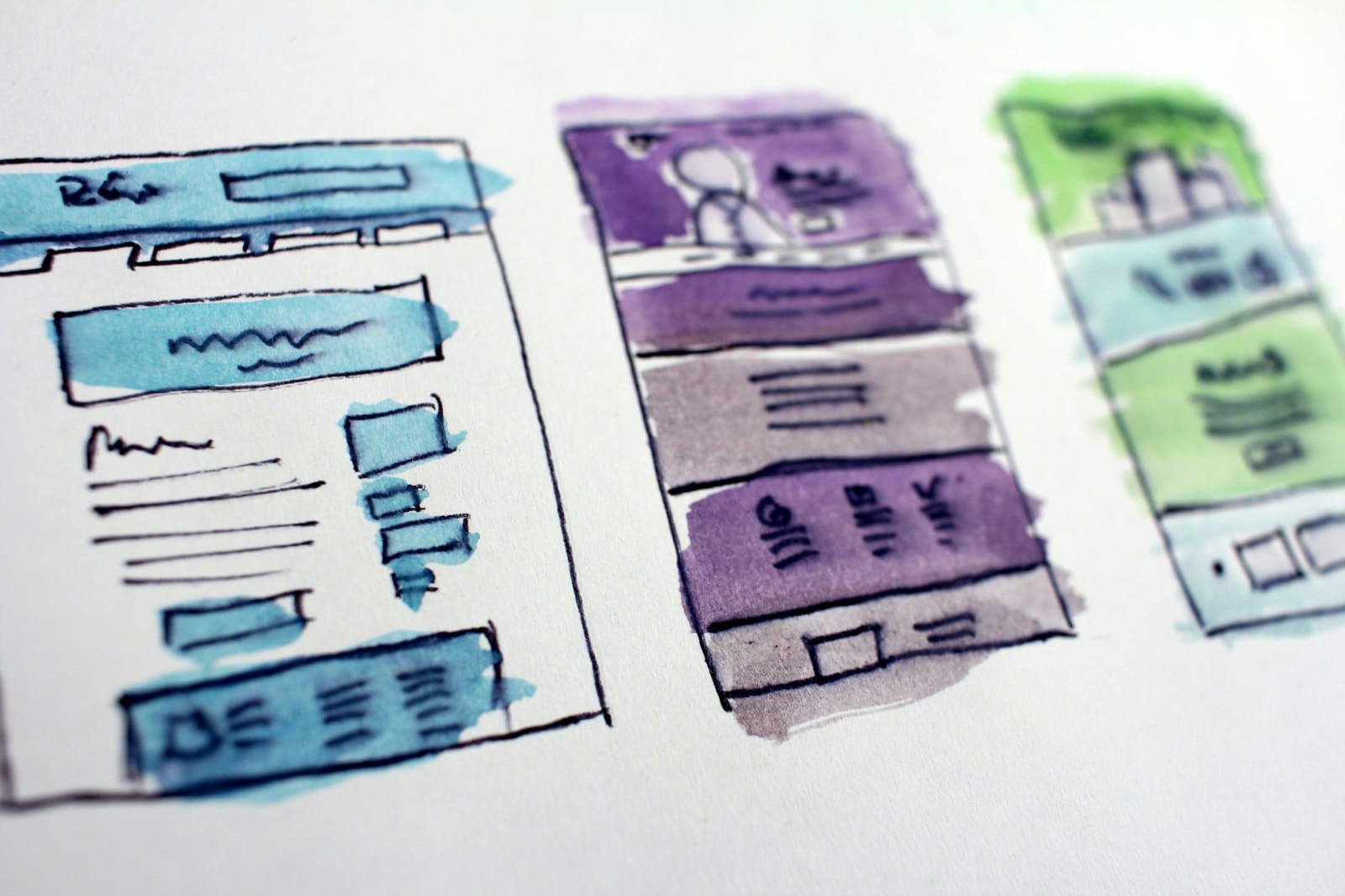

A website rarely fails loudly. It fails silently — a visitor arrives, something small puts them off, and they leave for a competitor without telling you why. You never see the customers you lose this way; you just see a phone that rings less than it should. After auditing hundreds of Indian business websites, we see the same seven problems again and again.
1. It takes more than 3 seconds to load on a phone
Over 70% of Indian web traffic is mobile, much of it on mid-range devices and variable networks. Every extra second of load time cuts conversions measurably; beyond three seconds, most visitors are simply gone. The usual culprits are uncompressed images, bloated themes and cheap overloaded hosting. The fix: compress and lazy-load images, remove unused plugins and scripts, and move to hosting with server response times under 200ms. Test your real pages on Google PageSpeed Insights — on the mobile tab, not desktop.
2. Your phone number and WhatsApp aren't one tap away
Indian customers overwhelmingly prefer to call or WhatsApp rather than fill forms. If a visitor has to hunt through a Contact page to reach you, a percentage gives up at every step. The fix: a tap-to-call button and a WhatsApp button visible on every page of the mobile site, and a click-to-chat link that opens with a pre-filled message.
3. Visitors can't tell what you do in five seconds
'Innovative solutions for a digital tomorrow' tells a visitor nothing. Your homepage headline should pass the five-second test: what do you do, for whom, and why should I care? 'Website development and maintenance for growing Indian businesses' is boring — and it converts, because clarity beats cleverness every time a stranger is deciding whether to keep reading.
4. Visibly stale content
A blog whose last post is two years old. A '© 2023' footer. An offers page for a festival long past. Each one whispers the same message: is this business still active? Is anyone paying attention? The fix is honest pruning — remove sections you won't maintain — and a maintenance rhythm that keeps what remains current.
5. No proof anyone has ever hired you
Claims are wallpaper; proof converts. Real client names, specific outcomes, photographs of actual work, Google review scores, recognisable customer logos. Indian buyers are (rightly) sceptical — a testimonial with a full name and company beats five anonymous quotes, and one before/after case study beats a page of adjectives.
6. Broken things
A contact form that errors out. A catalogue link that 404s. An SSL certificate warning. Each broken element doesn't just lose that interaction — it torpedoes trust in everything else on the site. Test your own forms monthly (does the email actually arrive?), run a broken-link check, and make sure someone owns noticing these things. This is precisely what a maintenance plan exists for.
7. Every page ends in a dead end
A visitor finishes reading your services page and… nothing. No next step, no button, no question answered about what happens if they enquire. Every important page should end with one obvious action — 'Get a free quote on WhatsApp', 'Book a 30-minute consultation' — and a line that removes the fear ('no obligation, we respond within 24 hours').
Visitors almost never tell you what put them off. Your analytics — and an honest audit — will.
Run this check yourself
Open your website on a mid-range phone over mobile data, as a stranger would. Time the load. Try to contact yourself. Read the homepage headline aloud. Click every button. If you find problems in ten minutes, your visitors found them months ago. Suvysoft Solutions offers a straightforward website audit as part of our website development service — we'll show you exactly what's costing you enquiries, whether you fix it with us or not.